The rise in staycations has made holiday lets an attractive investment, especially in beautiful regions like North Wales. But before you welcome your first guests, there’s one key question to answer: do you need planning permission for a holiday let in North Wales?
In most of North Wales, planning permission is not automatically required to let a property you already own to holiday guests. But there are important exceptions — and getting this wrong can be costly.
If you’re converting a building, adding structures like glamping pods, making structural changes, or your property sits within Eryri National Park, permission is very likely required.
Whether you’re planning to convert a stone barn, add a glamping pod to your field, or start letting your existing home to guests, this guide covers everything you need to know about holiday let planning permission in North Wales — particularly in Gwynedd, where the rules have recently changed.
Use the checklist below to find out quickly whether planning permission applies to you…
Quick Check: Do Any of These Apply to Your Property?
If you answer yes to any of the following, you will likely need to investigate planning permission before proceeding.
Planning Permission Checklist — North Wales Holiday Lets
| ☐ |
You are converting a barn, outbuilding, garage or non-residential building into holiday accommodation |
| ☐ |
You are adding glamping pods, shepherd’s huts, yurts or similar structures — especially with water, power or drainage connections |
| ☐ |
You are building a log cabin, lodge or other permanent structure on your land |
| ☐ |
You are making structural changes to a property — walls, roof alterations, extensions |
| ☐ |
You are changing the use of agricultural land or open countryside to tourist accommodation |
| ☐ |
Your property is within Eryri (Snowdonia) National Park |
| ☐ |
Your property is a listed building or within a conservation area |
| ☐ |
Your property is in the Gwynedd local authority area (see Article 4 section below — the situation here is changing) |
Ticked anything? Read the Article 4 section below, then speak to your local planning authority before proceeding. Not sure? We can point you in the right direction.
Not sure where you stand?
Our team knows North Wales planning inside out. We’re happy to talk you through your situation before you commit to anything.
Talk to our team →
Article 4 Direction in North Wales: The Current Position (2026)
Article 4 is a planning direction that removes permitted development rights — meaning activities that would normally be automatic require a full planning application instead. In North Wales, the position differs significantly between Gwynedd and Eryri National Park.
Gwynedd
Local authority area
Article 4 status
Quashed — not in force
Permission currently required?
No
⚠️ Gwynedd Council is appealing the High Court ruling. The position could change — keep a close eye on developments.
Eryri National Park
(Snowdonia)
Article 4 status
Active
Permission currently required?
Yes — always
All applications assessed on economic, environmental and social impact.
Always check directly with your local planning authority for the most current position before making any decisions.
Thinking of letting in Gwynedd or Eryri?
The rules here are shifting. Get in touch and we’ll help you understand what applies to your specific property before you invest.
Speak to a local expert →
What is Holiday Let Planning Permission?
Planning permission is a legal requirement and the council’s way of making sure what you’re doing fits in with the local area.
You might need it if:
- You’re turning your home or another property into a short-term holiday let
- You’re converting a barn or building into guest accommodation
- You’re putting up glamping pods, shepherd’s huts or lodges
- You’re making significant changes to the structure of a property
It’s not always a no-go — just a process to go through. The sooner you know where you stand, the smoother things will be.
If you’re looking for more innformation before you start your holiday letting jounrey, read our Setting Up a Holiday Let Business blog.
When Do You Need Planning Permission for a Holiday Let in North Wales?
In short: if you’re making significant changes to a property or how it’s used, there’s a good chance you’ll need planning permission. Here’s how that plays out in the most common scenarios.
-
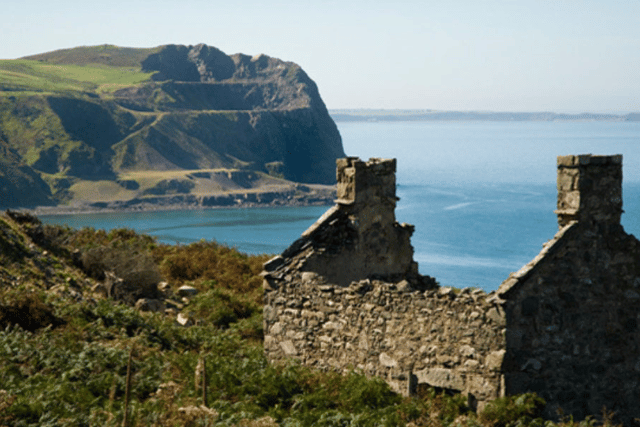
Converting Existing Buildings (Barns, Outbuildings, Old Shops…)
Turning a barn, garage or outbuilding into a holiday let is popular, but usually counts as a “material change of use” — meaning council approval is needed.
Key things to bear in mind:
- Structural changes: Walls, extensions or roof alterations almost always require permission.
- Eryri National Park: Planning permission is required for any change of use to a holiday let. Applications are assessed for economic, environmental and social impact.
- Listed buildings and conservation areas: Extra consents may be needed to protect heritage or character.
-
Setting Up Glamping Sites and Shepherd’s Huts
Even though they might seem “temporary,” most councils treat glamping structures as permanent holiday accommodation — especially if they’re connected to water, power or used all year round.
What to consider:
- Change of use: Converting farmland or open countryside into tourist accommodation will require planning permission.
- Services and infrastructure: Adding plumbing, drainage or electric hook-ups makes planning permission likely.
- Protected landscapes: If your land is in an Area of Outstanding Natural Beauty (AONB) or within Eryri National Park, expect tougher restrictions.
-
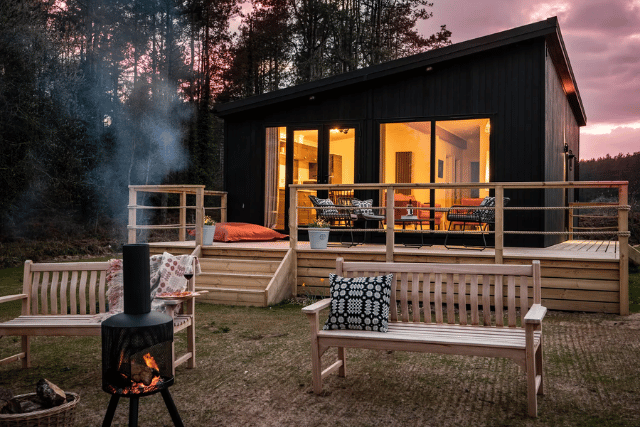
Building Log Cabins and Lodges
Log cabins and timber lodges are classed as permanent structures — which means planning permission is almost always required. Local authorities will consider the full picture:
- Full planning permission: A requirement for most cabin or lodge builds.
- Site access and services: Waste management, water supply and road access will all be assessed.
- Environmental impact: Building near rivers, woodland or wildlife habitats may require an Environmental Impact Assessment.
Head to our Guide on Farm Diversification for more on setting up this kind of venture.
Converting a building or adding new structures?
We’ve helped owners across North Wales navigate this process. A quick conversation could save you a lot of time — and money.
Get expert guidance →
Lawful Development Certificates for Holiday Lets
In certain circumstances, you may be able to apply for a Certificate of Lawful Development (CLD) — a formal document confirming that planning permission is not required for your specific situation. This can be valuable before you invest, as it gives legal certainty.
Existing Holiday Let Use
Properties that were genuinely operating as a holiday let before any Article 4 Direction came into effect may be able to demonstrate lawful use. Evidence such as historic bookings, council tax or business rates records showing the property was treated as a commercial letting business is usually required.
Proven Community or Economic Benefit
Projects that demonstrate clear benefits to the local economy — job creation, sustainable tourism, support for local businesses — may be looked on more favourably by the council. However, this does not guarantee permission or a certificate.
Minor Modifications
Small-scale changes or temporary uses might not require full planning permission, depending on the council’s assessment of the specific circumstances.
Important: Always check with your local planning authority before assuming any development is exempt. A Certificate of Lawful Development provides legal certainty — it’s worth applying for if there’s any doubt.
Tips for a Successful Holiday Let Planning Application in North Wales
- Engage Early
Contact the local planning authority before you commit. Understanding specific requirements upfront saves time and cost.
- Provide Evidence
Demonstrate how your project benefits the local economy and aligns with sustainability goals. For Eryri applications, economic and social impact evidence carries significant weight.
- Consult Professionals
Architects, planning consultants and environmental surveyors help ensure your application meets all criteria — particularly for conversions and new builds.
- Respect Local Needs
Consider how your holiday let complements the community. In areas affected by housing shortages or over-tourism, showing community awareness strengthens your case.
Holiday Let Planning Permission FAQs for North Wales
Do I need planning permission for every holiday let in North Wales?
Not automatically — but it depends on what you’re doing. If you’re simply letting out a property you already own without structural changes, permission is often not required. However, conversions, new structures, changes of land use, and any property in Eryri National Park will almost certainly need planning permission. If in doubt, always check with the council before making any changes.
What is Article 4 and why does it matter for holiday lets in North Wales?
Article 4 is a planning direction that removes permitted development rights — meaning you need full planning permission for changes that would otherwise be automatic. Gwynedd Council introduced an Article 4 Direction for holiday lets, but it was quashed by the High Court and is not currently in force. The council is appealing, so this could change. In Eryri National Park, Article 4 remains active and planning permission is required for any change of use.
Can I put glamping pods in my field in North Wales?
Possibly — but in most cases glamping pods will need planning permission, especially if they are connected to water or electricity, intended to remain year-round, or on land being changed from agricultural use to tourist accommodation. In protected areas like Eryri, restrictions are stricter. Always check before you invest in infrastructure.
Do I need planning permission to convert a barn into a holiday let in Wales?
Yes, in almost all cases. Converting a barn or outbuilding into holiday accommodation is classed as a material change of use and requires planning permission. Additional consents may be needed if the building is listed or within a conservation area.
What happens if I start a holiday let without planning permission?
Operating without required planning permission can lead to enforcement action from the council, an order to cease trading, or a requirement to remove or undo unauthorised development. It can also affect your ability to sell the property in future. It’s not worth the risk — check first.
Do stricter planning rules apply in Eryri (Snowdonia) National Park?
Yes. Planning permission is required for any change of use to a holiday let within Eryri National Park. All applications are assessed on their economic, environmental and social impact. Always consult the Eryri National Park Authority before purchasing or converting a property within the park boundary.
Make a Plan Before You Let
Holiday letting in North Wales can be hugely rewarding — but only if you set it up the right way from the start. Planning rules aren’t there to trip you up. They’re designed to help tourism work in balance with local communities and landscapes.
So whether you’re building from scratch, converting a long-loved family property, or simply thinking about your options, do your homework, get advice, and plan ahead.
At Menai Holidays, we’ve been working with local owners across North Wales for over 30 years. We know the planning landscape, we work with trusted local professionals, and we’re more than happy to point you in the right direction.
For more information about letting your cottage with us, complete the form below to request a callback from our team. You’ll also receive a copy of our FREE Owner Guide.
Note: The information contained in this article was accurate at the time of writing, based on our research. Rules, criteria and regulations change all the time, so please contact our prospective new owner team if you’d like to hear how things stand today. Nothing in this article constitutes the giving of financial, tax or legal advice to you; please consult your own professional adviser (accountant, lawyer, planning consultant etc.) in this regard. If we have referred within the article to a third-party provider of unregulated holiday let mortgages, this is due to the fact that such mortgages aren’t currently regulated by the FCA. As a helpful reminder, your home may be repossessed if you do not keep up repayments on a mortgage. As a holiday letting owner you are responsible for compliance with health & safety laws, regulations and guidance, and for having suitable insurances in place (not Sykes Holiday Cottages or its brands).
