Running a holiday let in Wales comes with a range of responsibilities, and one area that is often overlooked is energy performance.
Energy Performance Certificates (EPCs) not only ensure that your property meets the necessary legal requirements, but they can also make your listing more attractive to potential guests. A good EPC rating highlights that your property is energy efficient, comfortable, and environmentally friendly, qualities that many modern travellers actively look for. Displaying your EPC can therefore build trust and set your property apart from others on the market.
Below, we break down everything holiday-let owners need to know about EPCs…
What is an EPC?
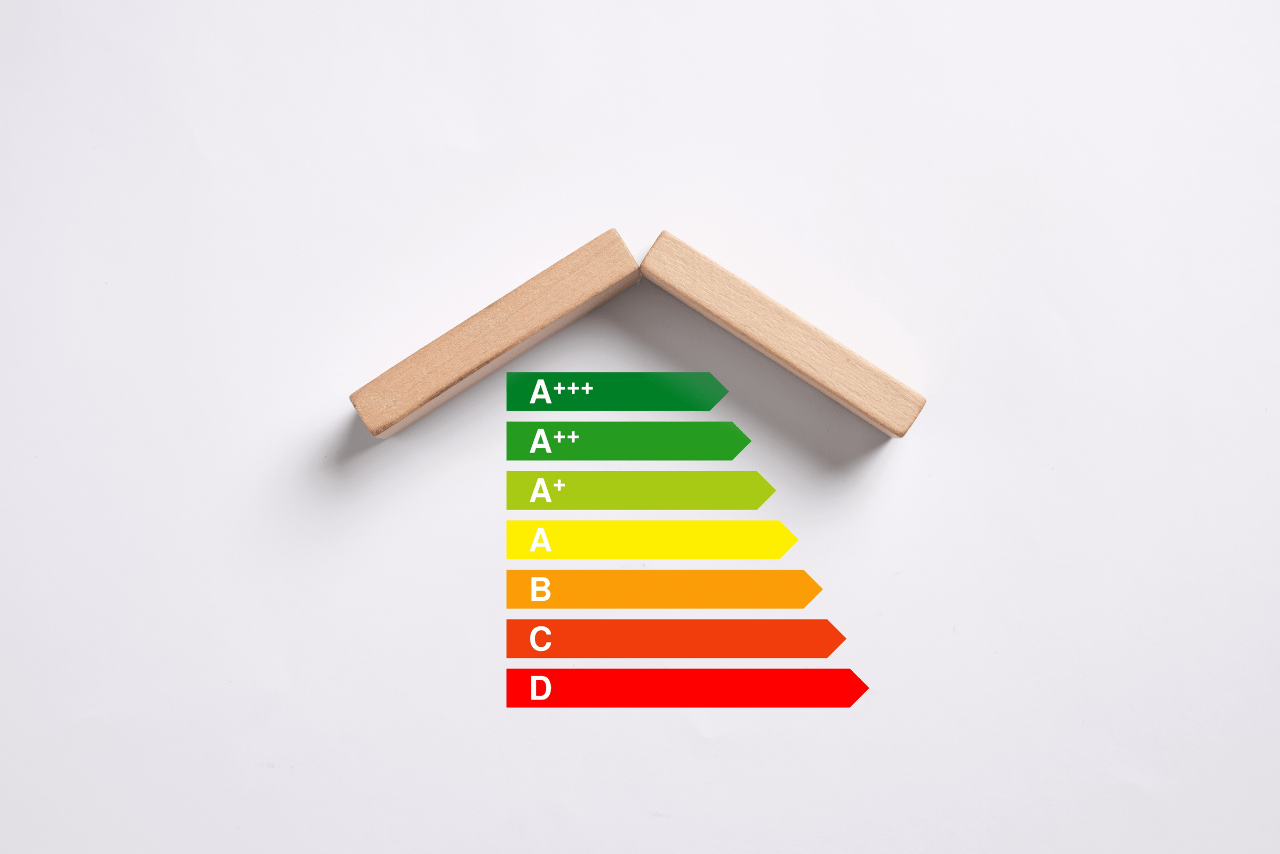
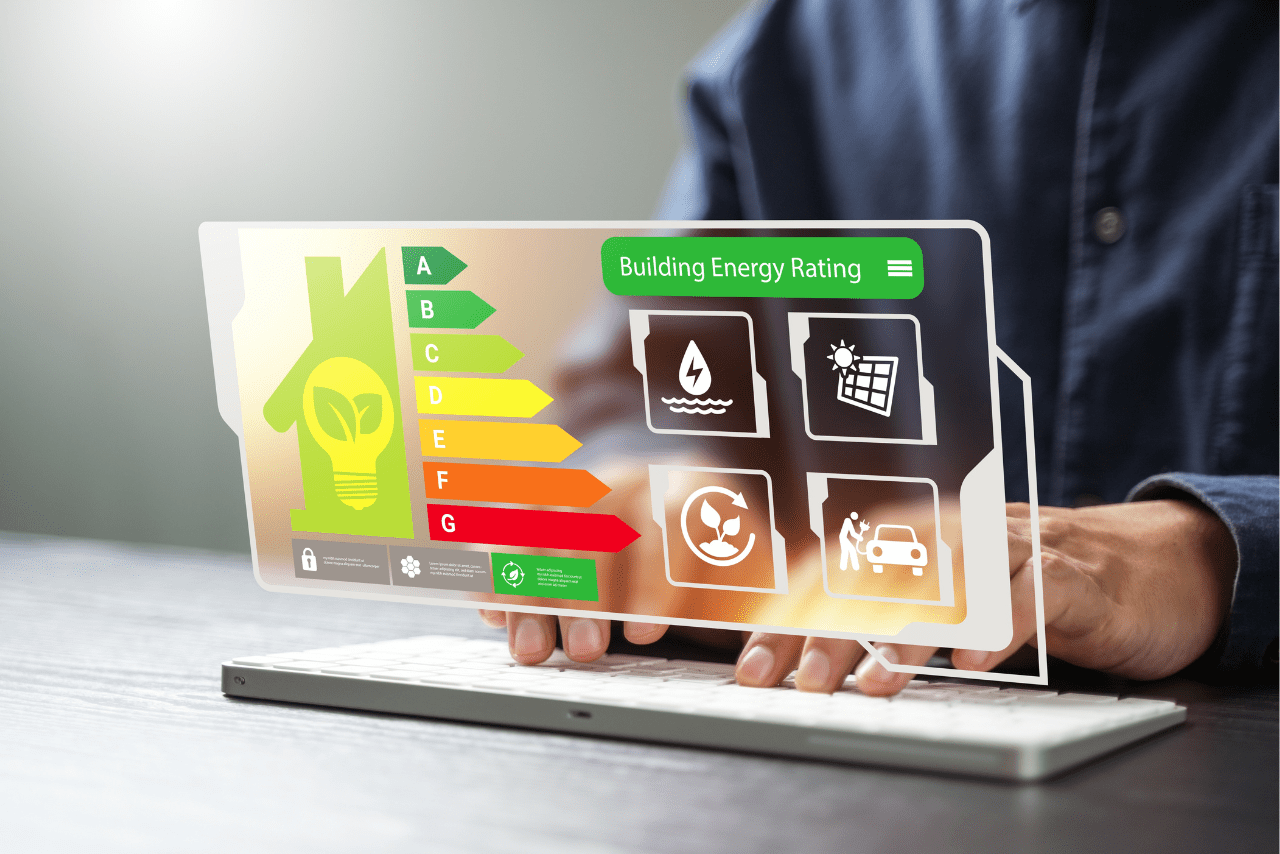
An Energy Performance Certificate (EPC) is a document that shows how energy efficient a property is. It gives the building a rating on a scale from A to G, with A being very efficient (lower running costs and less carbon emissions) and G being very inefficient.
The EPC doesn’t just give a score, it also provides:
- Estimated energy costs for heating, hot water, and lighting.
- Carbon dioxide emissions linked to the property’s energy use.
- Recommendations on how to improve the building’s efficiency, such as adding insulation, upgrading heating systems, or fitting double glazing.
For holiday let owners, this is particularly useful because it gives a clear picture of how cost-effective the property is to run, and how comfortable it will be for guests in colder months. An EPC is valid for 10 years once issued, unless major changes (like a new heating system or extension) mean a new assessment is needed.

How to Get an EPC
Getting an Energy Performance Certificate is a straightforward process, but it must be done by a qualified professional. Here’s how it works:
Find an Accredited Assessor
EPCs can only be issued by government-approved domestic energy assessors. In Wales, you can search for a local assessor on the UK Government EPC Register. Many estate agents and specialist energy firms also offer the service, but always check they’re accredited.
Book an Assessment
The assessor will arrange a visit to your property. A typical inspection usually takes between 30 minutes to an hour, depending on the size of the holiday let.
Property Inspection
During the visit, the assessor will look at:
- The type of construction and building materials used.
- Levels of insulation in walls, floors, and loft spaces.
- Heating systems, boilers, and thermostats.
- Windows and glazing types.
- Lighting and any renewable technologies (such as solar panels).
They won’t need to do anything invasive, but they will need access to all rooms, the loft if possible, and heating systems.
Receive Your EPC Report
After the inspection, the assessor will calculate the property’s energy efficiency and issue the certificate. This includes:
- The overall rating (A–G scale).
- An environmental impact rating showing carbon emissions.
- Estimated running costs for heating, hot water, and lighting.
- Practical recommendations to improve efficiency.
The certificate is then officially lodged on the government database, where anyone (such as guests, letting agents, or potential buyers) can view it.
Cost of an EPC
The cost of an EPC in Wales typically ranges from £60 to £120, depending on the property size and the assessor. Holiday let owners often find this a worthwhile investment, especially as the same certificate lasts 10 years.
If you’re wondering about the cost of a holiday let, take a look at our guide on the costs of running a holiday let in North Wales.

Are EPCs a Legal Requirement?
Whether or not you need an EPC for your holiday let in Wales depends on how and how often the property is rented out. The rules are a little different for holiday accommodation compared to standard long-term rentals, so it’s important to understand the criteria.
When an EPC is Required
You must have a valid EPC if your holiday let:
Is rented out for at least 4 months (120 days) within any 12-month period, and
Each booking or stay is for 31 days or less.
This means that if your property is regularly available for short breaks and weekend stays, an EPC is almost always required.
When an EPC May Not Be Required
You may not need an EPC if:
The property is only let for very short periods of the year (fewer than 4 months in total).
Guests typically stay for longer than 31 days at a time (making it more like a standard tenancy agreement).
The property is genuinely used only for personal holiday use, with very occasional letting.
Even if your holiday let falls outside the legal requirement, many owners still choose to get an EPC because of its benefits (marketing, guest confidence, and preparing for future regulation).
Looking to be more eco-friendly? Check out our guide on waste management in your holiday let.
Minimum Energy Efficiency Standards (MEES)
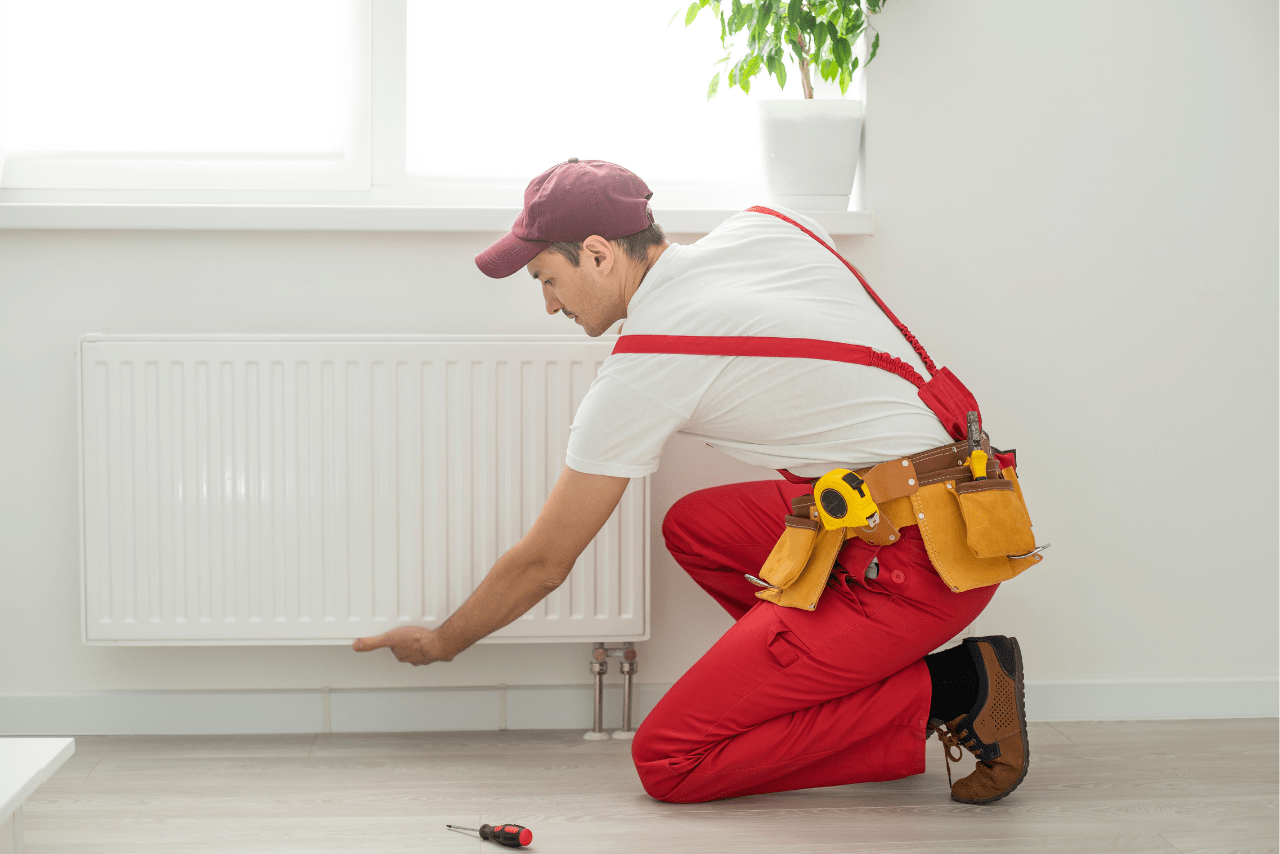
If your property does require an EPC, it must also meet the Minimum Energy Efficiency Standards (MEES). Since April 2020, this means your property must achieve at least an E rating. If it is rated F or G, it cannot legally be rented out unless you have a valid exemption in place.
Enforcement and Penalties
Failing to have a valid EPC when required, or letting a property below the legal rating, can result in:
Financial penalties (fines from the local authority).
Restrictions on letting, meaning you may not be able to advertise or host paying guests.
Possible implications under Wales’s new visitor accommodation licensing scheme, which is being introduced to regulate holiday lets and could make EPC compliance a standard requirement.
How are EPCs Calculated
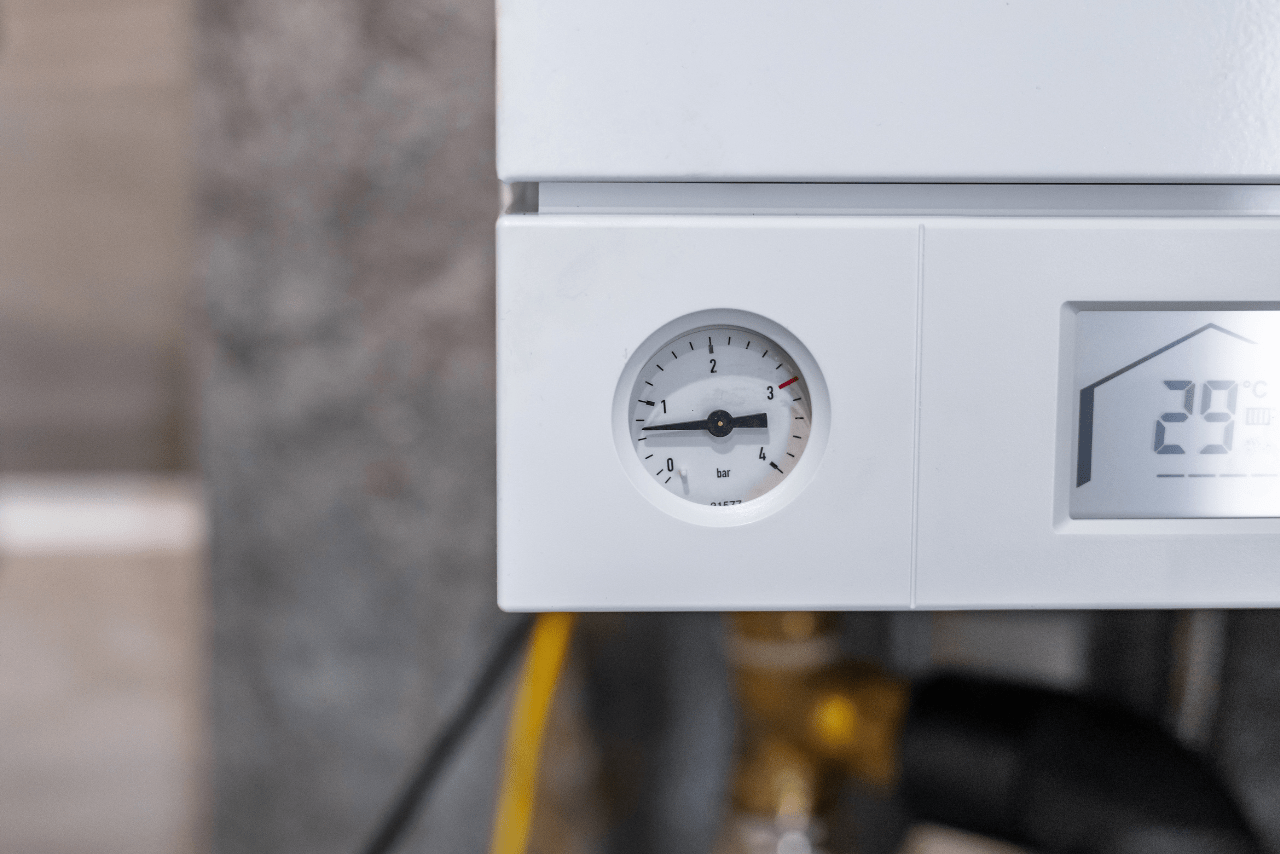
An EPC takes into account several factors:
- Type and construction of the property
- Insulation levels in walls, floors, and loft
- Heating system and controls
- Hot water system
- Windows and glazing type
- Lighting and energy efficiency of fixed fittings
Each element contributes to the property’s energy use and carbon emissions, which together determine the rating.
Minimum EPC Rating for Holiday Lets
Once you know your holiday let in Wales requires an EPC, the next step is understanding the minimum rating you must achieve to stay compliant.
The Legal Minimum
Since 1 April 2020, all private rented properties in Wales (including holiday lets that meet the EPC criteria) must achieve a minimum rating of E or above. Properties with an F or G rating are classed as “sub-standard” and cannot legally be let unless you qualify for, and register, an exemption.
Why This Matters for Holiday Lets
Even though holiday lets are different from standard residential tenancies, they are still captured under the Minimum Energy Efficiency Standards (MEES) when the EPC rules apply.
If your property is rated F or G and you don’t act, you risk enforcement action, fines, and being unable to host paying guests.
For owners in the Welsh tourism sector, this means energy efficiency is now a compliance issue as much as a guest comfort issue.
Exemptions
There are limited situations where a holiday let owner may register an exemption:
- High-cost exemption — if the recommended improvements would exceed the cost cap (currently £3,500 including VAT).
- Wall insulation exemption — if external or internal wall insulation would negatively impact the building.
- Consent exemption — where third-party consent (such as planning permission for listed buildings) has been refused.
- All improvements made — if you’ve carried out all recommended cost-effective works but the rating is still below E.
All exemptions must be officially registered on the PRS Exemptions Register and usually last for five years.

EPCs for Listed Buildings
Listed buildings and properties in conservation areas can be more complex. While there is sometimes an assumption that EPCs are not required, in fact many still do. However, if recommended improvements would unacceptably alter the property’s character, exemptions may apply. It’s always best to seek advice from your local authority’s conservation officer before carrying out energy efficiency works on historic properties.
Advantage of Having EPC for Holiday Lets
Even if your holiday let isn’t legally required to have an EPC, there are many reasons why it’s worth getting one. An EPC is more than a compliance certificate — it can be a marketing tool, a cost-saving guide, and a way to future-proof your property.
Guest Appeal & Marketing Value
Modern travellers are increasingly aware of sustainability and environmental impact. An EPC allows you to:
- Promote your property as eco-friendly, appealing to guests who want a greener stay.
- Stand out on listing platforms by highlighting your energy efficiency.
- Reassure guests that your property will be warm, comfortable, and affordable to run (particularly important in colder Welsh winters).
Lower Running Costs
Holiday lets often see higher energy use than private homes because heating, lighting, and appliances are in frequent use. By following EPC recommendations:
- You’ll cut down on wasted energy.
- Guests won’t be tempted to leave heating on full blast because the property retains warmth better.
- Your long-term utility bills will be significantly lower.
Increased Property Value
A better EPC rating can directly influence property value. Buyers — whether investors or private owners — often consider EPC ratings when making decisions. A strong rating can:
- Make your property more attractive on the market.
- Help secure a better mortgage rate or lending terms, as lenders are beginning to factor in energy efficiency.
Compliance & Peace of Mind
Even if your holiday let doesn’t currently fall under EPC regulations, the rules are tightening. Wales is in the process of rolling out a visitor accommodation licensing scheme, and EPC standards may well become part of that in future. Having an EPC already in place means:
- You won’t face last-minute compliance costs.
- You’ll be prepared if the minimum rating requirements rise (as has been discussed at UK level, with a possible move towards a “C” minimum in future).
Environmental Benefits
Wales has ambitious net-zero carbon targets. By improving your holiday let’s energy efficiency, you’re contributing to:
- Lower carbon emissions.
- A more sustainable tourism sector.
- Positive publicity for your property — guests increasingly value accommodation that aligns with eco-friendly values.
Ways to Improve the Energy Performance Certificate Rating for Your Property
If your EPC shows a lower rating, or just scrapes through at the legal minimum, there are plenty of ways to improve it. Many of these upgrades will not only boost your score but also reduce running costs and improve guest comfort, which makes your holiday let more attractive.
Insulation First
Good insulation is the single biggest improvement most properties can make.
Loft insulation: Topping up to at least 270mm can make a huge difference.
Cavity wall insulation: If your property was built after the 1920s and has cavity walls, insulating them is usually quick and cost-effective.
Solid wall insulation: Older Welsh cottages often have solid stone walls; internal or external insulation can improve efficiency dramatically (though may need planning consent for listed buildings).
Floor insulation: Insulating suspended timber floors helps prevent heat loss in draughty cottages.
Upgrade Heating Systems
Heating makes up the bulk of energy costs in holiday lets.
Replace old, inefficient boilers with a modern condensing boiler.
Install smart thermostats or heating controls so guests can adjust heat without wasting energy.
Consider renewable heating, such as air-source heat pumps, which are becoming more common in Wales.
Improve Windows and Doors
Swap single glazing for double or triple glazing where possible.
Use secondary glazing in listed buildings where replacement isn’t allowed.
Draught-proof doors and windows to prevent heat escaping.
Lighting and Appliances
Guests often leave lights and appliances running longer than in their own homes.
Fit LED lighting throughout the property.
Supply energy-efficient appliances (dishwashers, washing machines, fridges).
Add timers or smart plugs for outside lighting and appliances to cut unnecessary use.
Renewable Energy Options
Solar panels can generate electricity for the property and appeal to eco-conscious guests.
Solar thermal systems for hot water are a relatively low-impact option.
Battery storage can help maximise the use of renewable energy onsite.
Hot Water Efficiency
Insulate hot water cylinders with a thick jacket.
Fit thermostatic mixing valves to reduce waste.
Use low-flow showerheads and taps that maintain comfort while cutting energy and water use.
Quick Wins That Guests Notice
Thick curtains with thermal linings.
Draught excluders for doors.
Clear guest information encouraging sensible energy use (without making them feel restricted).
Funding and Grants
Welsh landlords and holiday-let owners may be eligible for support schemes, particularly for insulation and renewable heating. It’s worth checking with your local authority or the Welsh Government’s energy efficiency programmes (such as NEST or other grant schemes).

Final Thoughts
EPCs are more than just a compliance box-tick, they’re a valuable tool for making your Welsh holiday let more sustainable, comfortable, and appealing to today’s guests. By ensuring your property has a valid and strong EPC rating, you’ll not only stay on the right side of the law but also improve your guest experience and long-term profitability.
For more information on how to maximise your bookings for your holiday let, read our holiday let market insights report for 2026.
Want to find out more information about letting your cottage with us, complete the form below to request contact from our team. You’ll also receive a copy of our FREE Owner Guide.
